
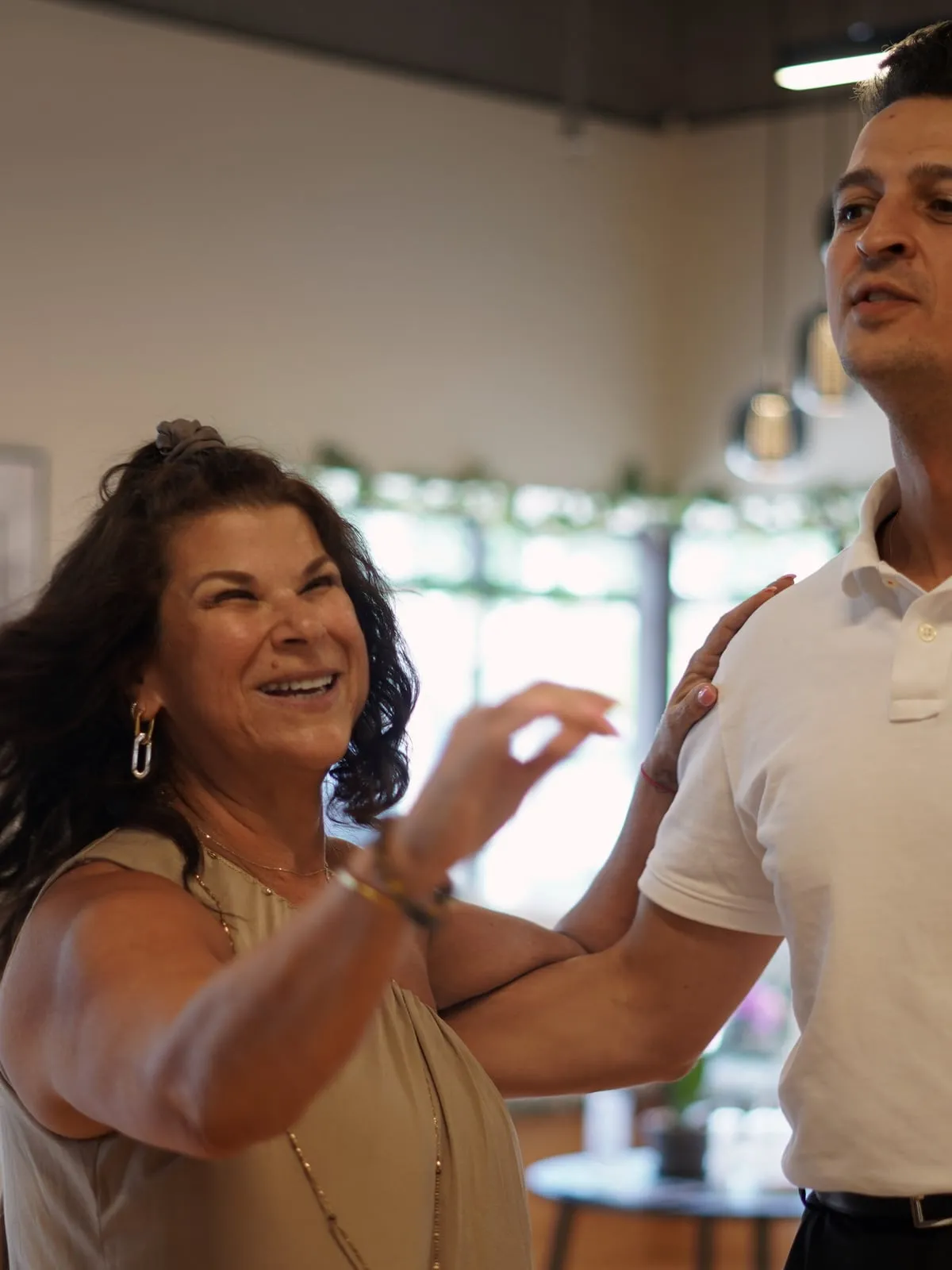

The first six lessons, roughly.
- 01
Two Step basic and progression
- 02
Country Waltz frame and timing
- 03
Country Cha Cha rhythm
- 04
Underarm turns and partner exchanges
- 05
Line of dance navigation at busy honky-tonks
- 06
Switching between styles depending on the song
Variants you might explore, one at a time.
- Country Two Step
Quick-quick-slow-slow rhythm in 4/4 time. The signature partner dance of country honky-tonks.
- Country Waltz
3/4 time, slower than Viennese, smooth and gliding. Perfect for slow country ballads.
- Country Cha Cha
Country-tempo Cha Cha basic, danced to upbeat country tracks. Easier to follow than Latin Cha Cha.
- Triple Two Step
Faster two-step variation with triple-step footwork, danced to mid-tempo country.
- Polka
Energetic 2/4 dance with quick hopping rhythm, popular at western dance halls.
- Peabody
Old-school fast country dance, predecessor to Quickstep, occasionally taught for historical and competition contexts.
Where you'll actually dance.
- Country bars and honky-tonks across South Florida
- Country wedding receptions
About Country dance
“Country dancing” is an umbrella term for a handful of partner dances that share music and venues more than they share technique. Country Two Step is the most common: quick-quick-slow-slow in 4/4, danced to honky-tonk and contemporary country radio. Country Waltz handles the slow ballads. Country Cha Cha and Triple Two Step cover the tempos in between. Polka and Peabody show up at Western dance halls and at competitions but rarely on a Saturday night floor.
The dances trace back to Western swing, Texas ballroom traditions, and older European partner dances that came over with settlers. They got standardized through the country dance hall scene in Texas, Oklahoma, and the broader American West across the 20th century. By the 1980s, when pop country exploded with Garth Brooks and George Strait, country partner dancing had spread nationwide. South Florida has had a steady country scene ever since.
What it feels like to dance
Country dancing is friendly. The hold is relaxed (a loose closed position or open hold with hands joined), and the dances are built to travel around the floor in a counterclockwise line of dance. Two Step is by far the most common. It is a smooth gliding step that covers ground fast. Country Waltz is gentler, similar to American Waltz but slower and less formal.
The thing about country dancing is how readable the patterns are. The lead-follow is clear, the figures are predictable, and even strangers on a busy honky-tonk floor can dance together without coordinating anything in advance. That is on purpose. Country dance halls expect dancers to switch partners throughout the night, and the dances are built for that.
Who it suits best
Country dancing is a great first partner dance for anyone who likes country music or lives near an active honky-tonk scene. Every variant is beginner-friendly. Most students can dance a competent Two Step after two or three lessons. For singles, it is an easy way into the South Florida country scene, which is friendlier to new dancers than some Latin scenes can be.
For wedding couples whose first-dance song is country (a George Strait ballad, a modern country slow song), Country Waltz or a slow Two Step is usually the right fit. We have choreographed plenty of country wedding first dances and they work well. Country music tends to be clean on the timing and forgiving in tempo, which makes the choreography part easier than with most other styles.
Music & where to dance it
The country dance repertoire is huge and still growing. For Two Step, start with classic George Strait, Alan Jackson, and Brooks & Dunn. For slow songs, Garth Brooks ballads, Tim McGraw, and Faith Hill all sit at Country Waltz tempo. For modern country radio, almost anything in 4/4 with a clear backbeat will work for Two Step.
In South Florida, dedicated country dance venues come and go, but there is usually a country bar or two running line dance and partner dance nights in any given month. Country wedding receptions, country-themed events, and the line dance crowd at general dance bars all welcome country partner dancers. Once Two Step and Country Waltz are clean, you can dance to almost any country song that gets played.
From Country Two Step to Country Cha Cha and Country Waltz — the partner dances of the honky-tonk and the line dance hall.
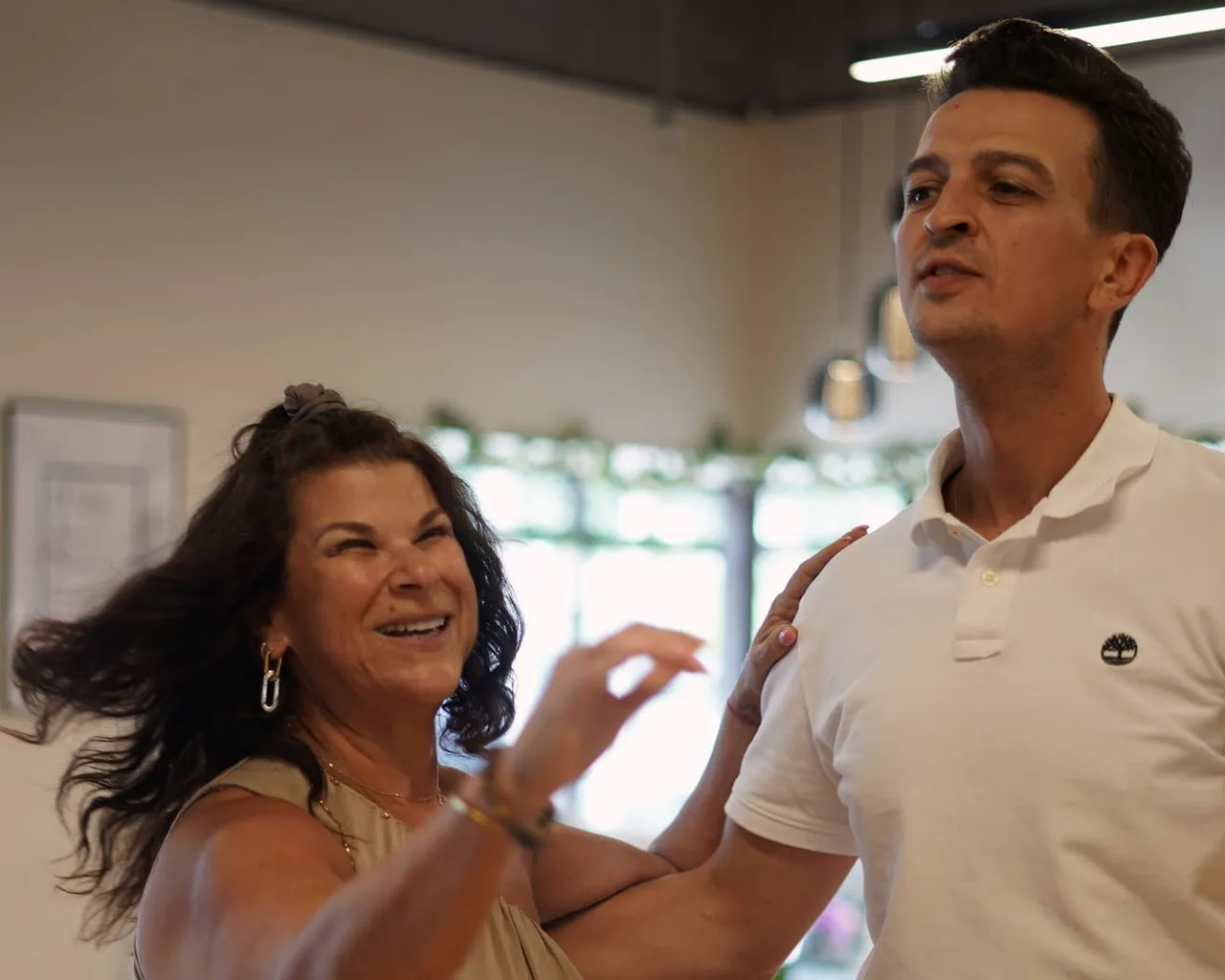
The first six lessons, roughly.
- 01
Two Step basic and progression
- 02
Country Waltz frame and timing
- 03
Country Cha Cha rhythm
- 04
Underarm turns and partner exchanges
- 05
Line of dance navigation at busy honky-tonks
- 06
Switching between styles depending on the song
Variants you might explore, one at a time.
- Country Two Step
Quick-quick-slow-slow rhythm in 4/4 time. The signature partner dance of country honky-tonks.
- Country Waltz
3/4 time, slower than Viennese, smooth and gliding. Perfect for slow country ballads.
- Country Cha Cha
Country-tempo Cha Cha basic, danced to upbeat country tracks. Easier to follow than Latin Cha Cha.
- Triple Two Step
Faster two-step variation with triple-step footwork, danced to mid-tempo country.
- Polka
Energetic 2/4 dance with quick hopping rhythm, popular at western dance halls.
- Peabody
Old-school fast country dance, predecessor to Quickstep, occasionally taught for historical and competition contexts.
Where you'll actually dance.
- Country bars and honky-tonks across South Florida
- Country wedding receptions
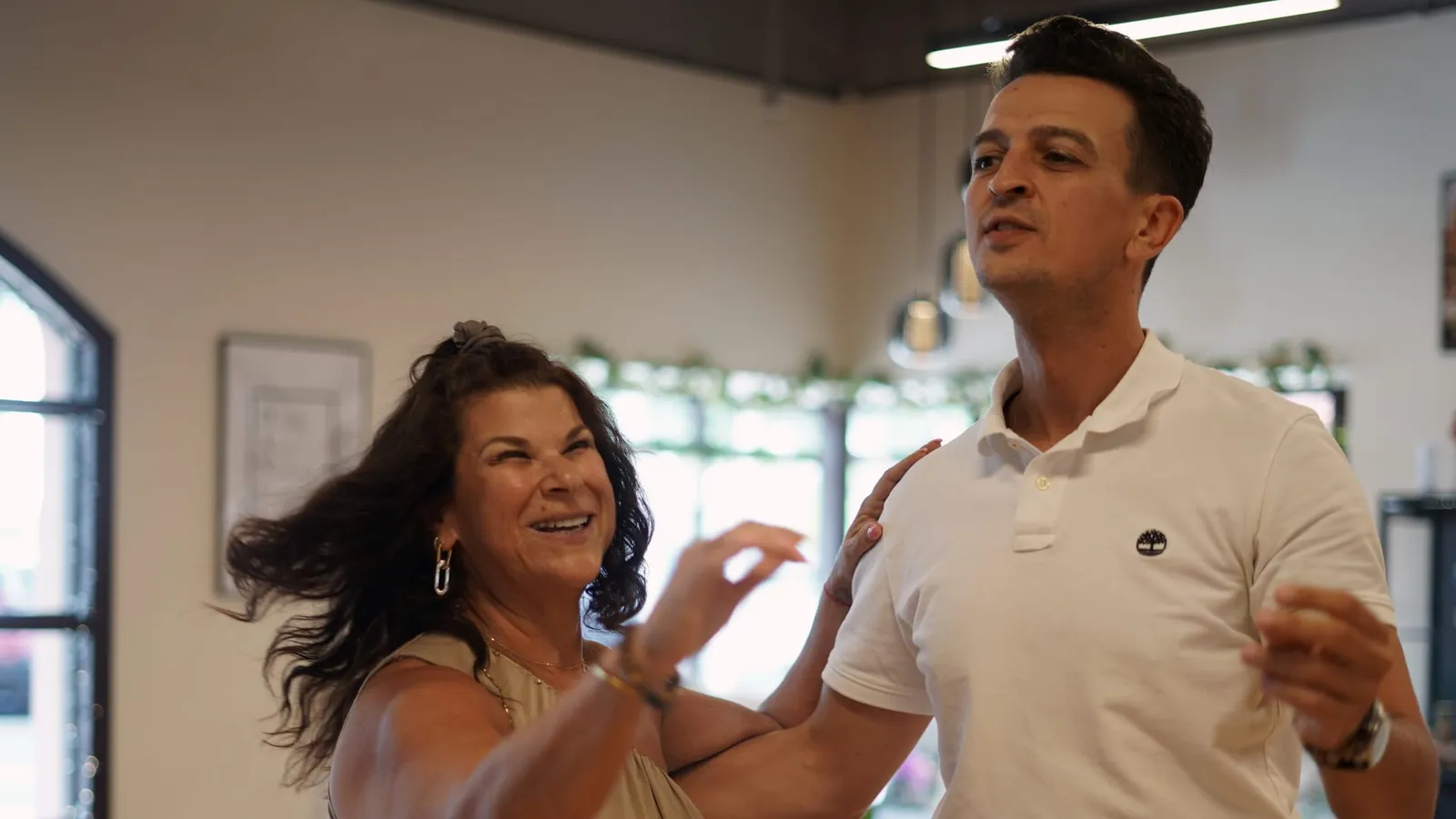
About Country dance
“Country dancing” is an umbrella term for a handful of partner dances that share music and venues more than they share technique. Country Two Step is the most common: quick-quick-slow-slow in 4/4, danced to honky-tonk and contemporary country radio. Country Waltz handles the slow ballads. Country Cha Cha and Triple Two Step cover the tempos in between. Polka and Peabody show up at Western dance halls and at competitions but rarely on a Saturday night floor.
The dances trace back to Western swing, Texas ballroom traditions, and older European partner dances that came over with settlers. They got standardized through the country dance hall scene in Texas, Oklahoma, and the broader American West across the 20th century. By the 1980s, when pop country exploded with Garth Brooks and George Strait, country partner dancing had spread nationwide. South Florida has had a steady country scene ever since.
What it feels like to dance
Country dancing is friendly. The hold is relaxed (a loose closed position or open hold with hands joined), and the dances are built to travel around the floor in a counterclockwise line of dance. Two Step is by far the most common. It is a smooth gliding step that covers ground fast. Country Waltz is gentler, similar to American Waltz but slower and less formal.
The thing about country dancing is how readable the patterns are. The lead-follow is clear, the figures are predictable, and even strangers on a busy honky-tonk floor can dance together without coordinating anything in advance. That is on purpose. Country dance halls expect dancers to switch partners throughout the night, and the dances are built for that.
Who it suits best
Country dancing is a great first partner dance for anyone who likes country music or lives near an active honky-tonk scene. Every variant is beginner-friendly. Most students can dance a competent Two Step after two or three lessons. For singles, it is an easy way into the South Florida country scene, which is friendlier to new dancers than some Latin scenes can be.
For wedding couples whose first-dance song is country (a George Strait ballad, a modern country slow song), Country Waltz or a slow Two Step is usually the right fit. We have choreographed plenty of country wedding first dances and they work well. Country music tends to be clean on the timing and forgiving in tempo, which makes the choreography part easier than with most other styles.
Music & where to dance it
The country dance repertoire is huge and still growing. For Two Step, start with classic George Strait, Alan Jackson, and Brooks & Dunn. For slow songs, Garth Brooks ballads, Tim McGraw, and Faith Hill all sit at Country Waltz tempo. For modern country radio, almost anything in 4/4 with a clear backbeat will work for Two Step.
In South Florida, dedicated country dance venues come and go, but there is usually a country bar or two running line dance and partner dance nights in any given month. Country wedding receptions, country-themed events, and the line dance crowd at general dance bars all welcome country partner dancers. Once Two Step and Country Waltz are clean, you can dance to almost any country song that gets played.
Country questions,
answered before you book.
How hard is country dancing to learn for a beginner?
What's the difference between country two step and line dancing?
Do I need to bring a partner to country dance lessons?
Is country two step good for a wedding first dance?
Why is country two step easier to follow than other partner dances?
What should I wear to a country dance lesson — do I need cowboy boots?
Forty-five quiet minutes, just Country and the music.
Thank you!
We’ve got your message and we’ll be in touch shortly —
usually within a few hours.